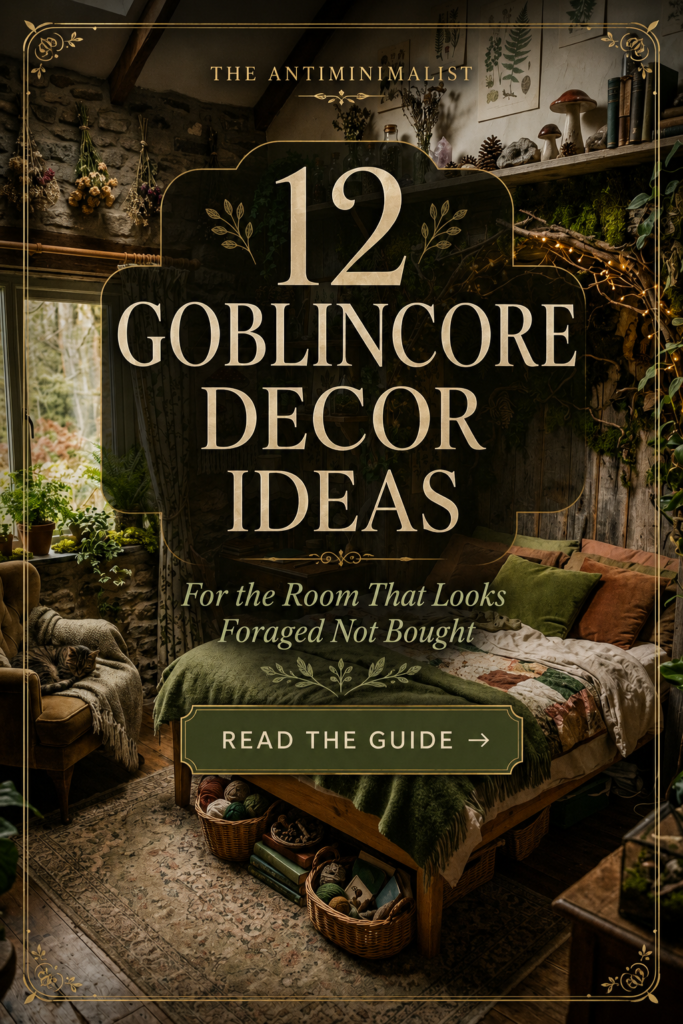
A goblincore room is the apartment that finally feels like the forest you wish you lived in. The aesthetic celebrates the small, the mossy, the strange — mushrooms growing in dim corners, the smell of damp earth after rain, the shine of a small crystal you picked up on a hike and never put down. It belongs to the reader who would happily live in a hollow tree, who slows down to look at snails, who notices the moss on the curb on the way to work and wants more of that softness inside her four walls. The 12 ideas below are the exact objects, in roughly the order to find them, that turn a regular room into the one that looks foraged not bought.
12 Goblincore Decor Ideas
1. Set a Closed Glass Moss Terrarium Where the Morning Light Hits
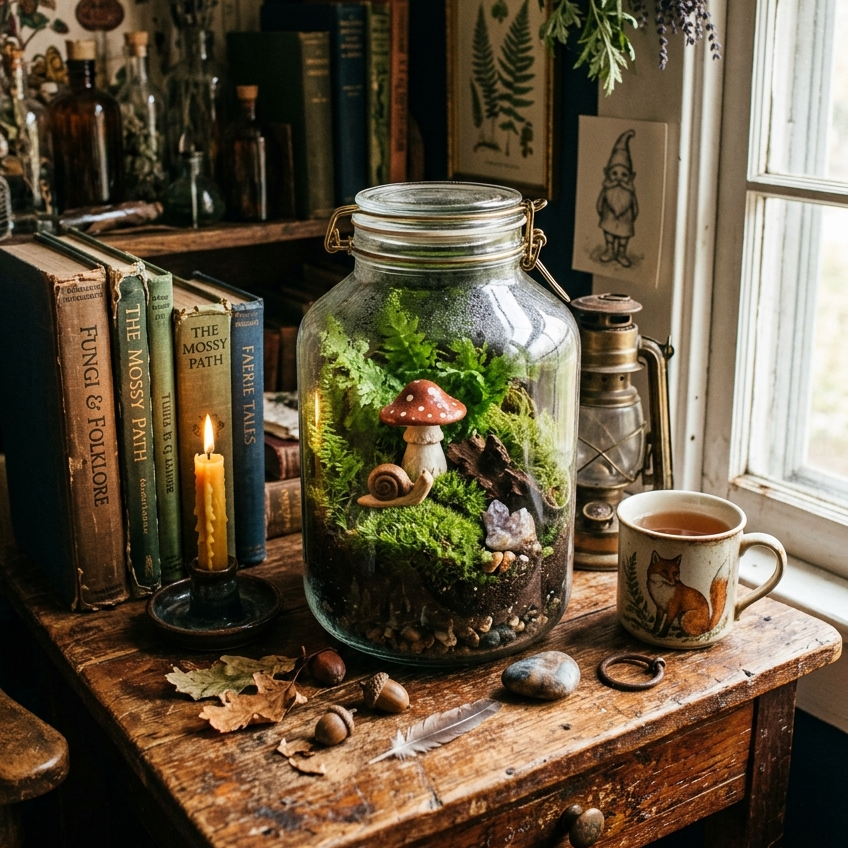
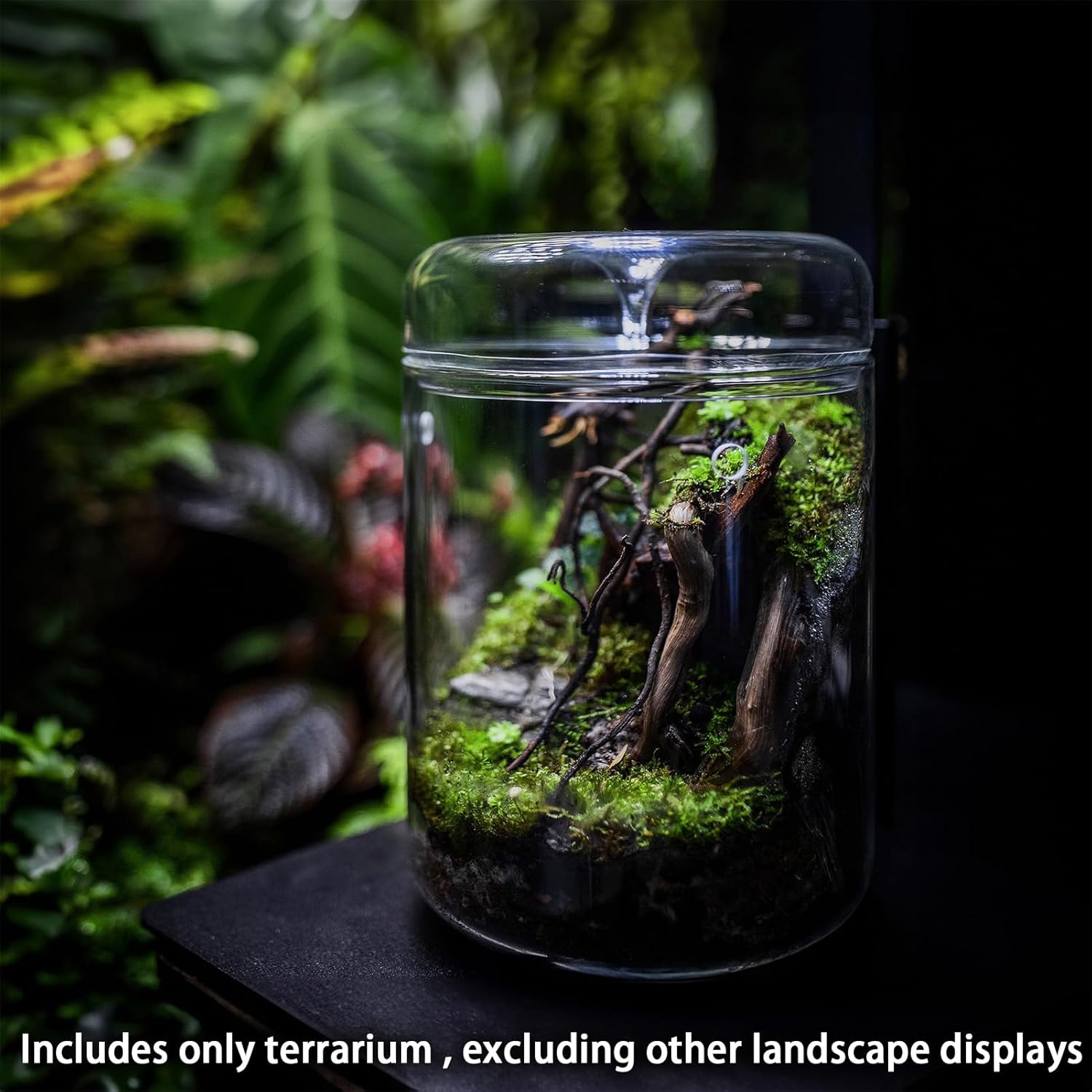
The terrarium is the heart of the room. A closed glass terrarium with living moss, a small fern, and maybe a tiny ceramic mushroom or a single crystal point inside — set on a side table or a windowsill where you’ll see it first thing every morning — becomes the small living ecosystem the rest of the room organizes around. The closed lid creates its own tiny rainforest; condensation gathers on the inside of the glass, the moss stays soft and green for months, and the whole thing feels alive in a way no other object in the apartment can match. You watch it the way you’d watch a small forest if you had one. The room shifts around it like the room was waiting for it.
Copy this idea:
2. Cluster Mushroom Figurines on Shelves, Side Tables, and Empty Corners
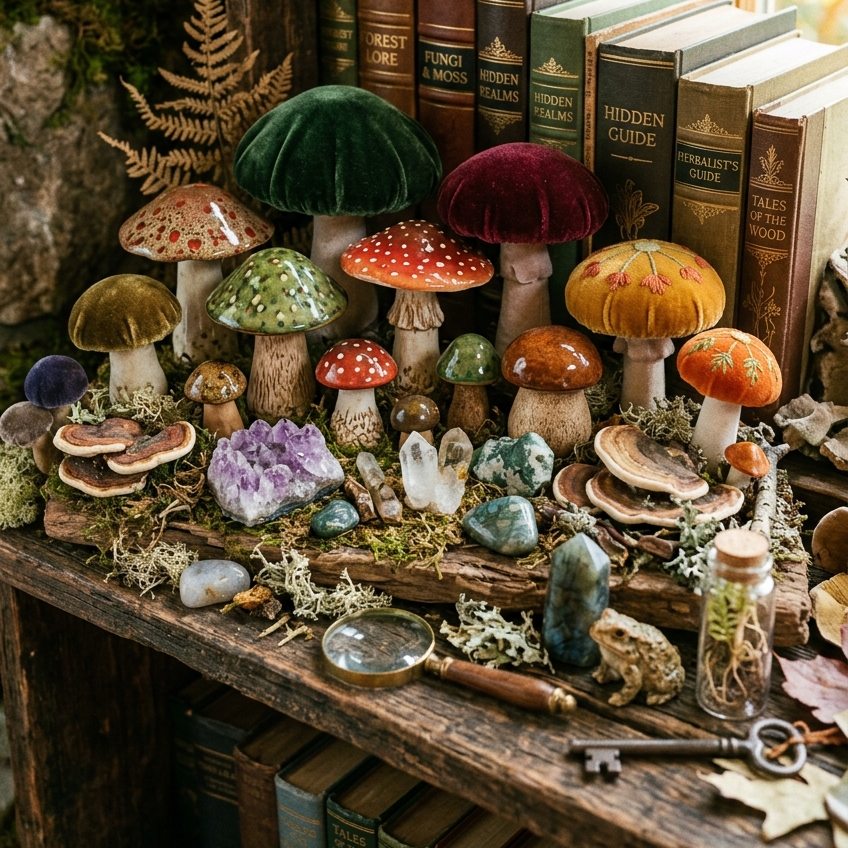
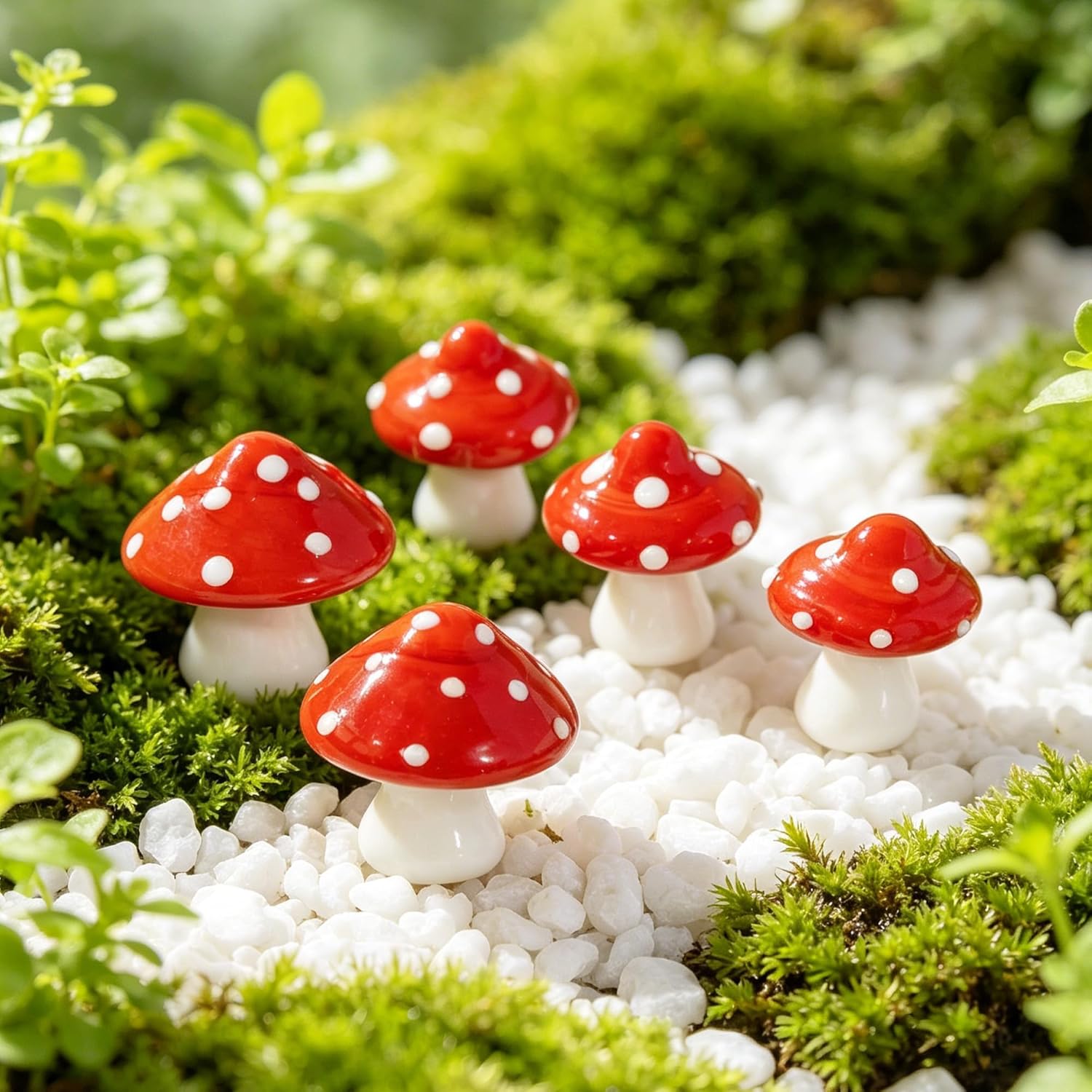
Mushrooms are the room’s central motif and they’re meant to gather in groups, not stand alone. A trio of velvet mushrooms in moss green, burgundy, and mustard tucked into one corner of a bookshelf. Two ceramic toadstools sharing a side table with a candle and a stack of books. A single small porcelain mushroom hidden inside a houseplant pot for the next person who notices it. You’re building a forest inside the room, and the mushrooms are doing the same thing they’d be doing on a forest floor — appearing in unexpected places, in small clusters, where the light is dim and the air feels close. Buy more than you think you need. They keep finding new places to live.
Copy this idea:

3. Line a Long Shelf With Antique Apothecary Bottles in Mismatched Glass
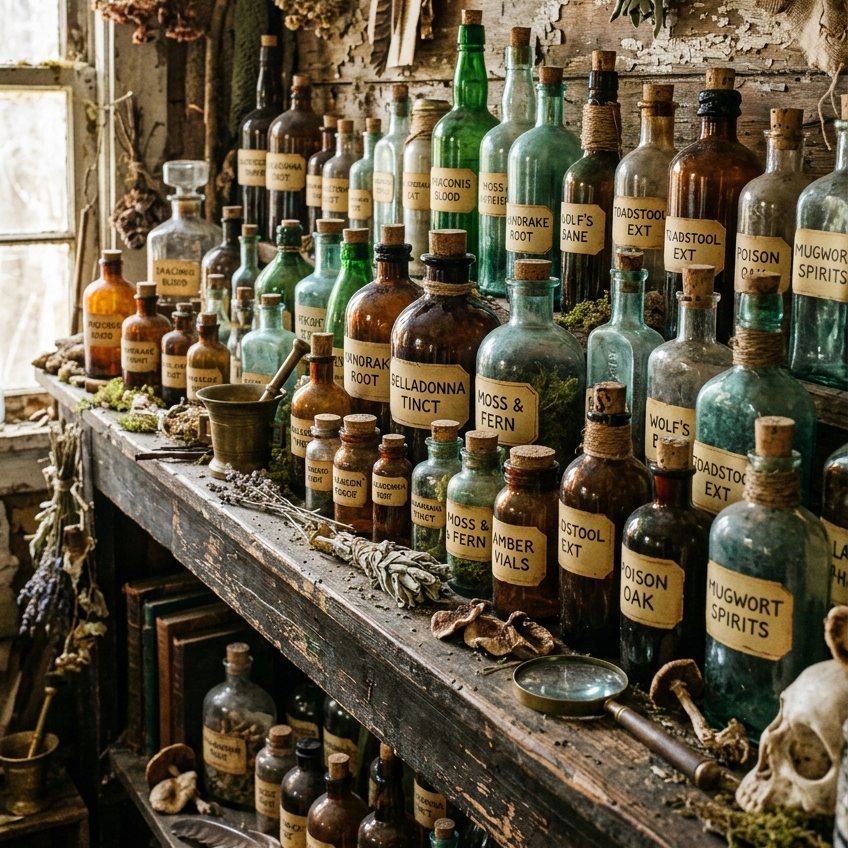
The apothecary shelf is where the room becomes a small alchemist’s workshop. Eight to twelve glass bottles in amber, green, and clear glass — some short and squat, some tall and thin, all with cork stoppers — lined along a high shelf, a mantel, or a sideboard. Fill them with whatever you actually have: dried lavender, dried rose petals, sea salt, small stones, a single feather, water tinted with food coloring. Leave some empty so the light passes through. The bottles don’t need to mean anything. They’re the visual evidence that you keep things, that you notice small things, that the room belongs to someone who collects the way the goblin collects. Mismatched is the entire point. Matching sets break the spell.
Copy this idea:

4. Anchor the Room With a Moss Green, Rust, or Mustard Velvet Armchair
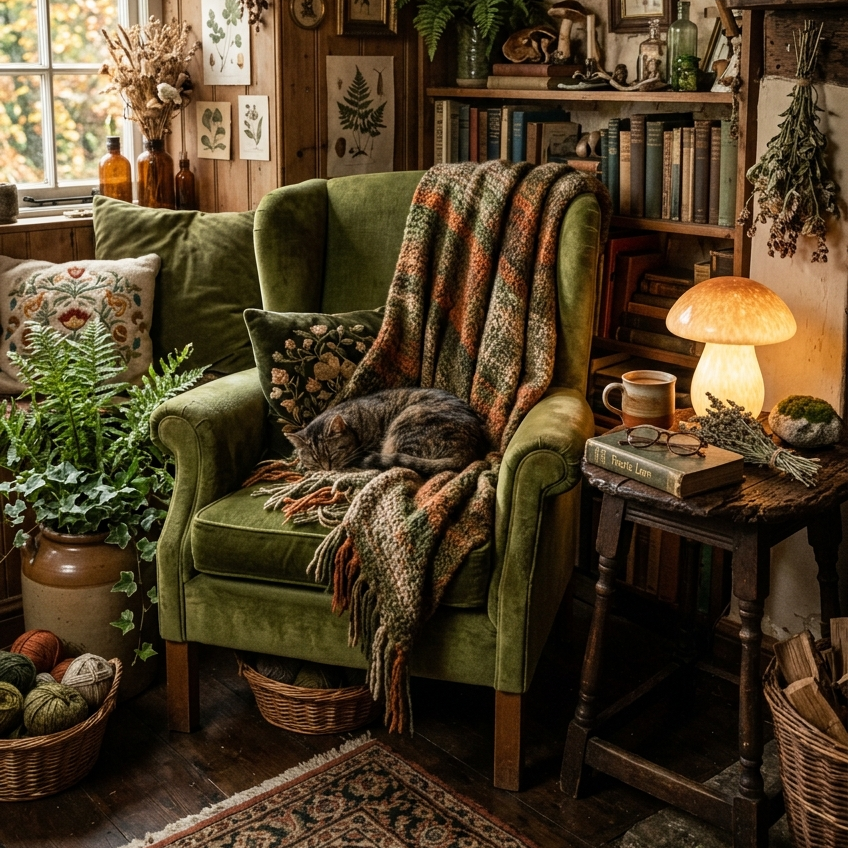
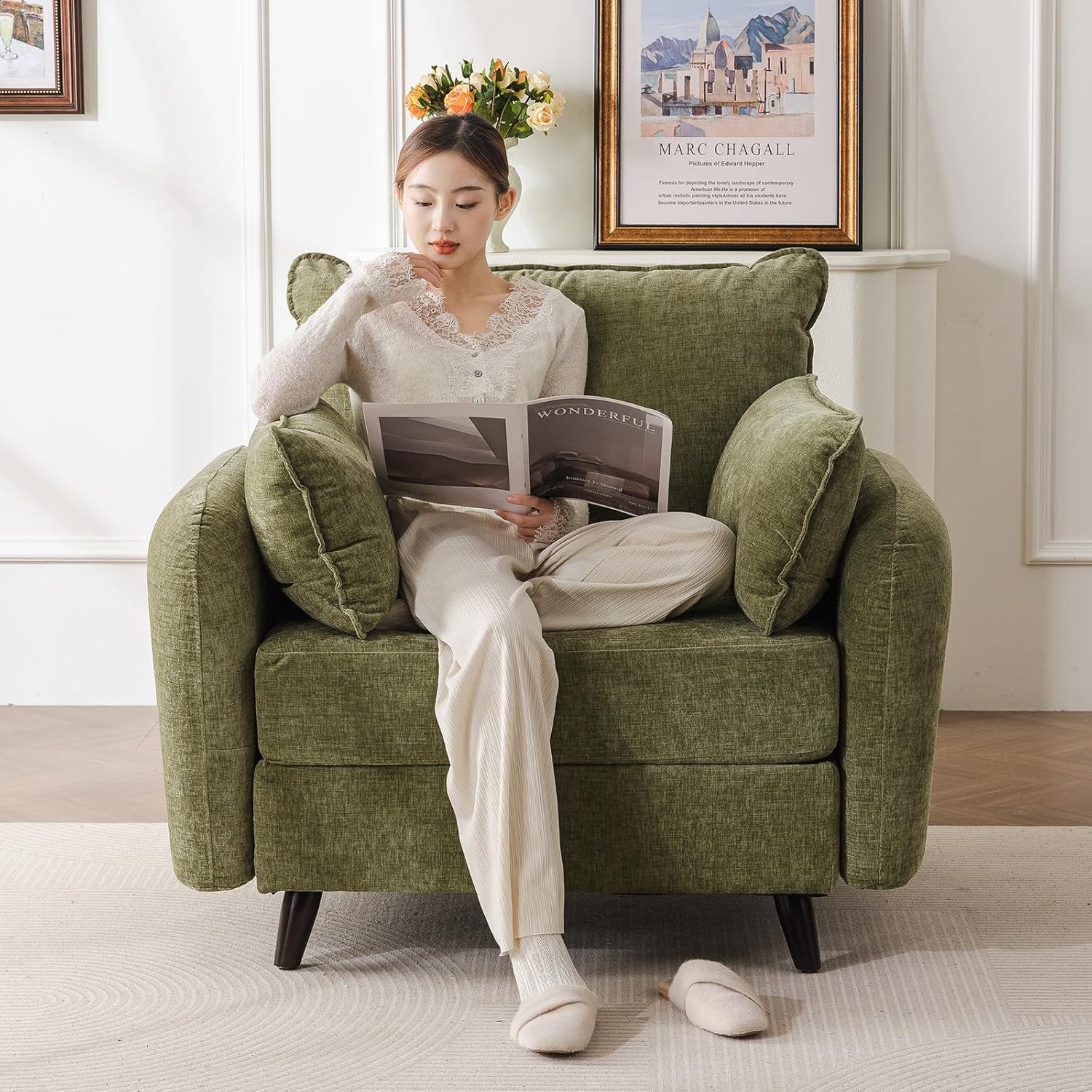
The chair is the place you’ll sit when the rain starts. A moss green velvet armchair if you want the room to feel like a small clearing in the woods. A rust or mustard velvet armchair if you want the autumn-forever palette that goblincore so often runs. The velvet matters — it picks up the warm light from the fairy lights and the candles, and it feels right under your hands when you sit down with a book in the evening. Position it near the terrarium and the apothecary shelf, drape a wool throw over one arm, and the corner becomes the small room within the room where the day actually ends. 12 Dark and Cozy Reading Nook Ideas
Copy this idea:

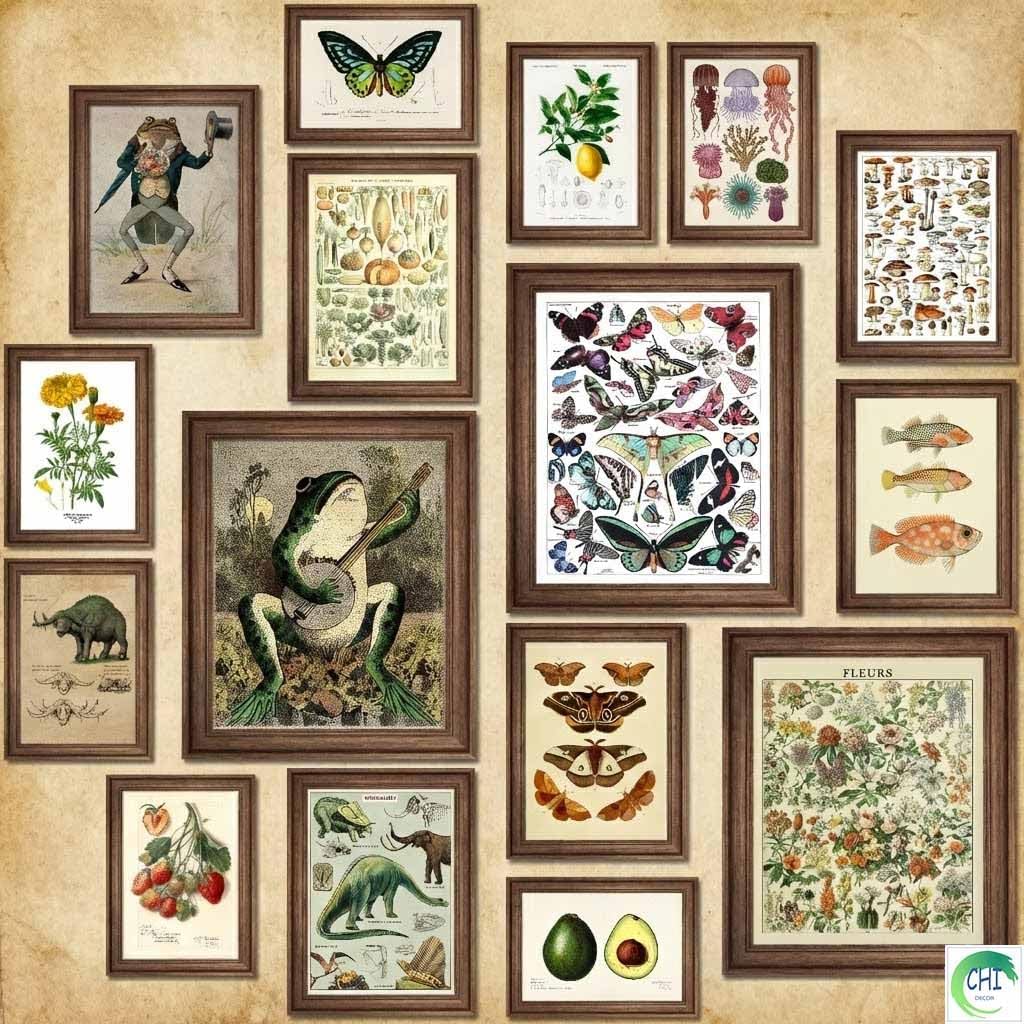
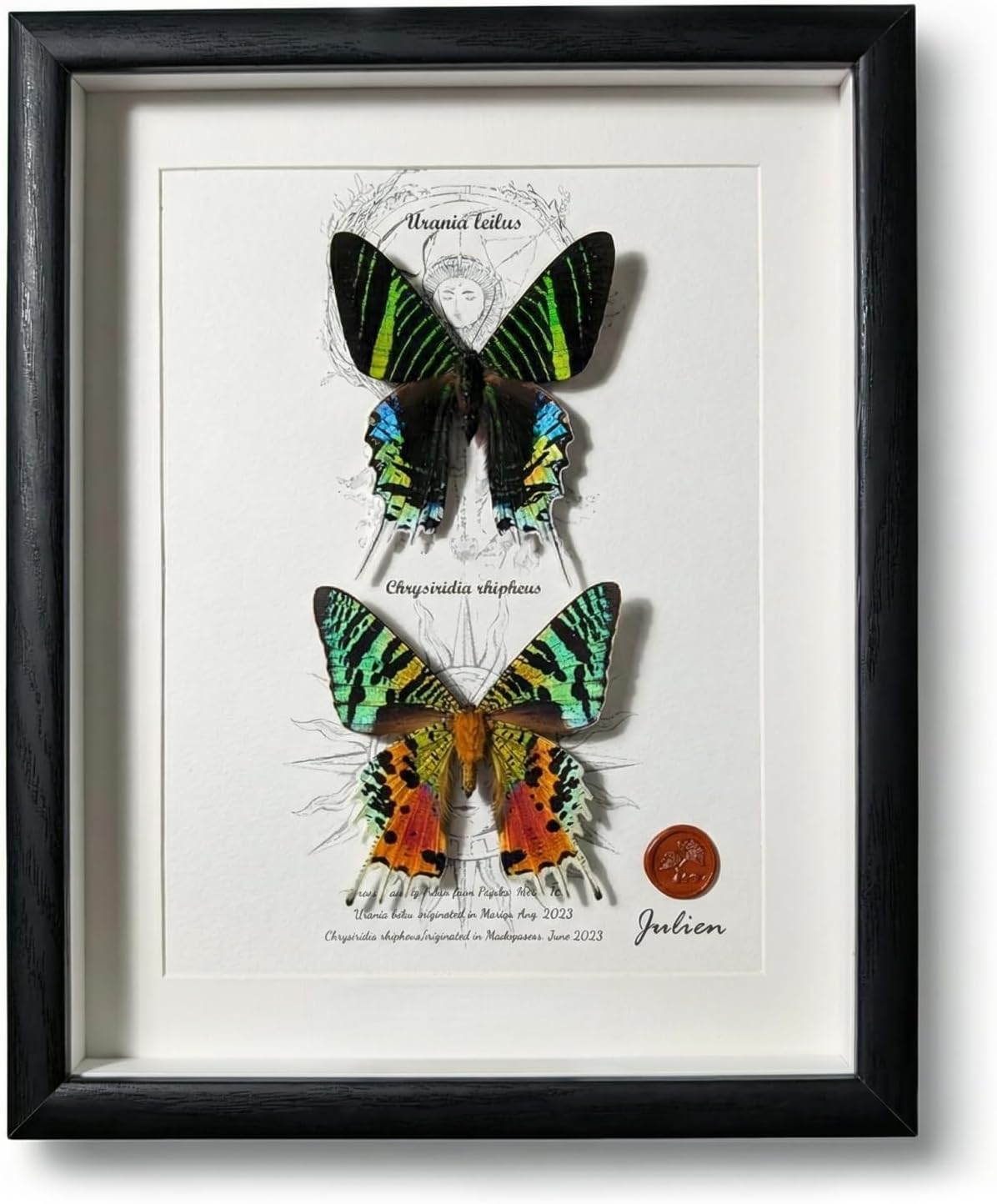
5. Build a Foraged Botanical Gallery Wall With Pressed Specimens and Mushroom Prints
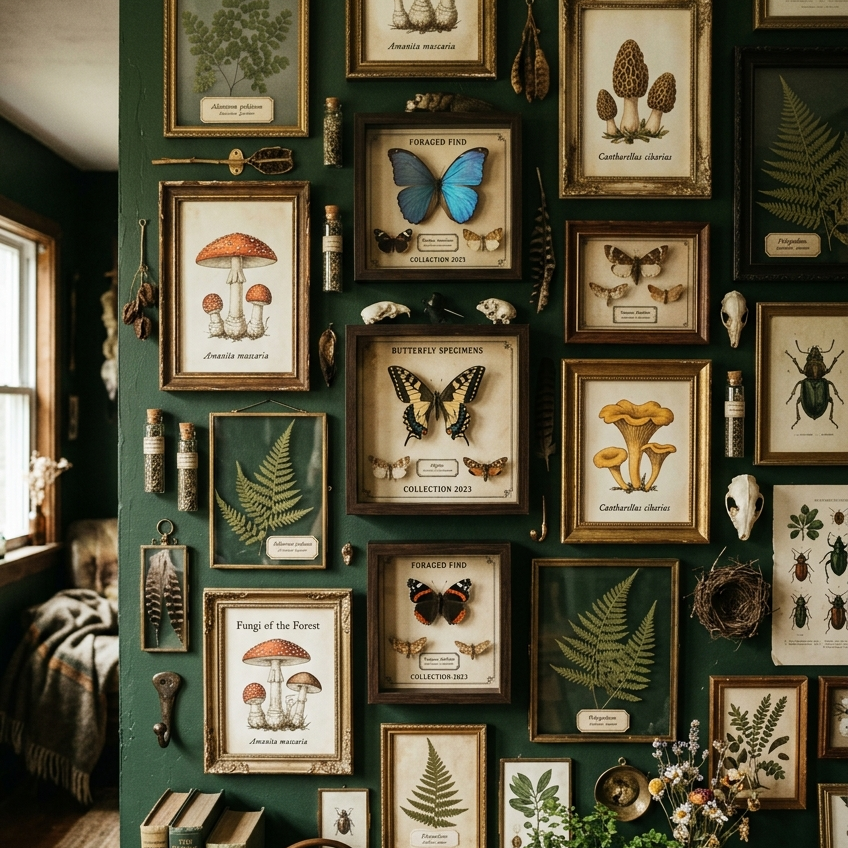
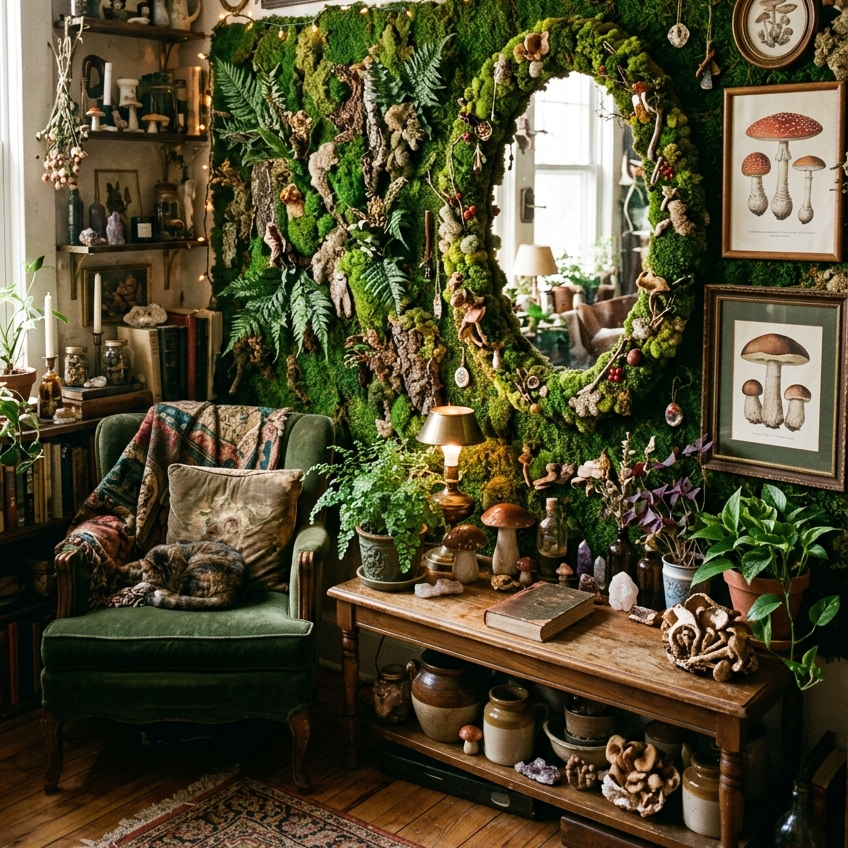
The wall above the armchair or behind the apothecary shelf becomes the field notebook of the forest. Pressed ferns and leaves in narrow shadow boxes. Antique mushroom illustration prints from a 19th-century natural history plate. A faux butterfly or moth specimen under glass — the modern reproductions are convincing and ethically straightforward, no taxidermy required. Mix in a single small antique mirror, a small framed bird feather, and the wall becomes the kind of cluster that someone could spend ten minutes looking at and still find something new. Mismatched frames in dark wood and aged brass. Cluster them tightly — goblincore breathes in maximalism, not minimalist spacing. [Internal link: Maximalist Staircase Decor Ideas]
Copy this idea:

6. Bring In a Reclaimed Wood Side Table, Trunk, or Open Shelf
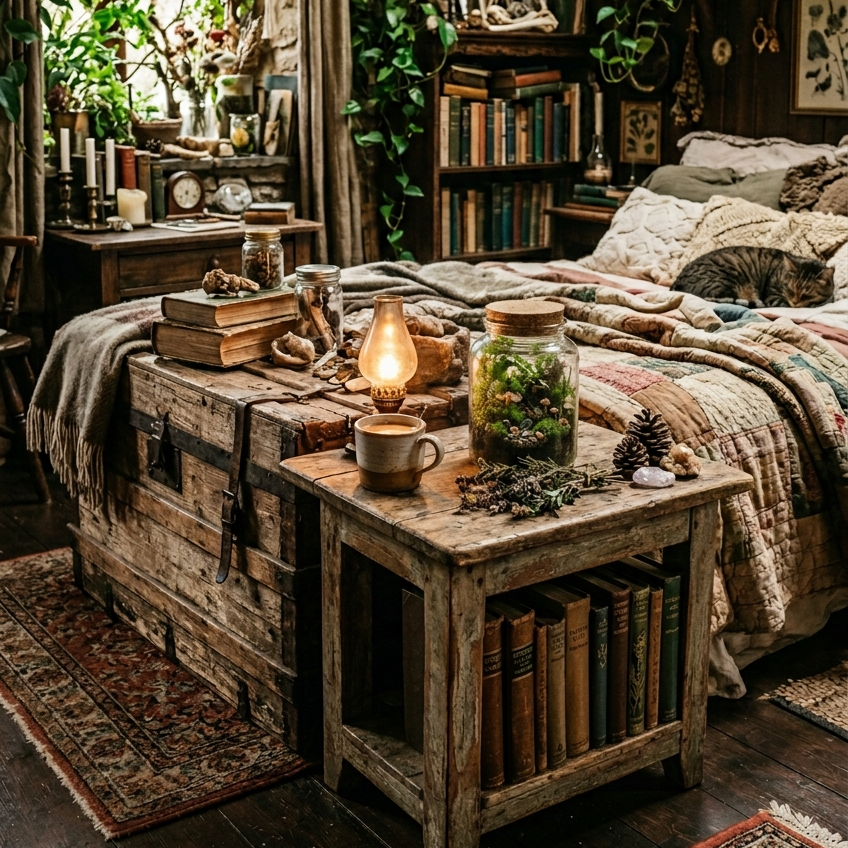
The furniture should look like it was already in the cottage when you arrived. A reclaimed wood side table beside the chair. A small antique-style trunk at the foot of the bed or used as a coffee table. An open wooden shelf — weathered, unpainted, with visible grain and the kind of small imperfections that suggest the wood lived a previous life — for the apothecary bottles and the mushroom figurines to sit on. Avoid anything that looks new or matched. Goblincore is fundamentally an aesthetic of accumulation, of inherited objects and forest finds. Estate sales, Facebook Marketplace, and antique shops are the right hunting grounds for these pieces. When you can’t source vintage, look for new pieces with intentional weathering, untreated wood, or rattan and woven cane elements.
Copy this idea:


7. Add a Faux Moss Panel, Moss-Covered Mirror, or Moss Letter on the Wall
The moss has to show up somewhere larger than the terrarium. A faux moss panel — 12 to 24 inches square, mounted to a section of empty wall — adds the texture that no flat art can replicate. A moss-covered mirror in a wooden frame leaning against the bookshelf works the same way. A single decorative letter wrapped in faux moss, your initial or the first letter of the cottage name you’ve given the apartment in your head, propped on a shelf. The moss element is what tips the room from “earth-toned” into “the forest moved in.” One moss piece is enough. Two starts to feel like a craft store. Pick the one that fits the wall you have.
Copy this idea:

8. Curate a Small Tray With Crystals, Faux Bones, and Foraged Curiosities
The curiosity tray is the goblin’s hoard. Find a small wooden tray, a flat piece of slate, or a vintage brass plate, and gather on it the small foraged-looking objects you’ve been collecting: a faux fox or deer skull in resin, a cluster of crystal points (amethyst, clear quartz, moss agate, rose quartz — moss agate especially, for the green veining), a few small stones from a hike you actually went on, a single feather, a tiny brass key, a pinecone, a small porcelain mushroom. The tray becomes the tableau on the coffee table or the side table that anyone who visits picks up and turns over in their hands. None of these objects needs to mean anything. Together they mean exactly what the room is for.
Copy this idea:


9. Wrap Warm White Fairy Lights Around Shelves, in Jars, and Across the Ceiling
Copy this idea:
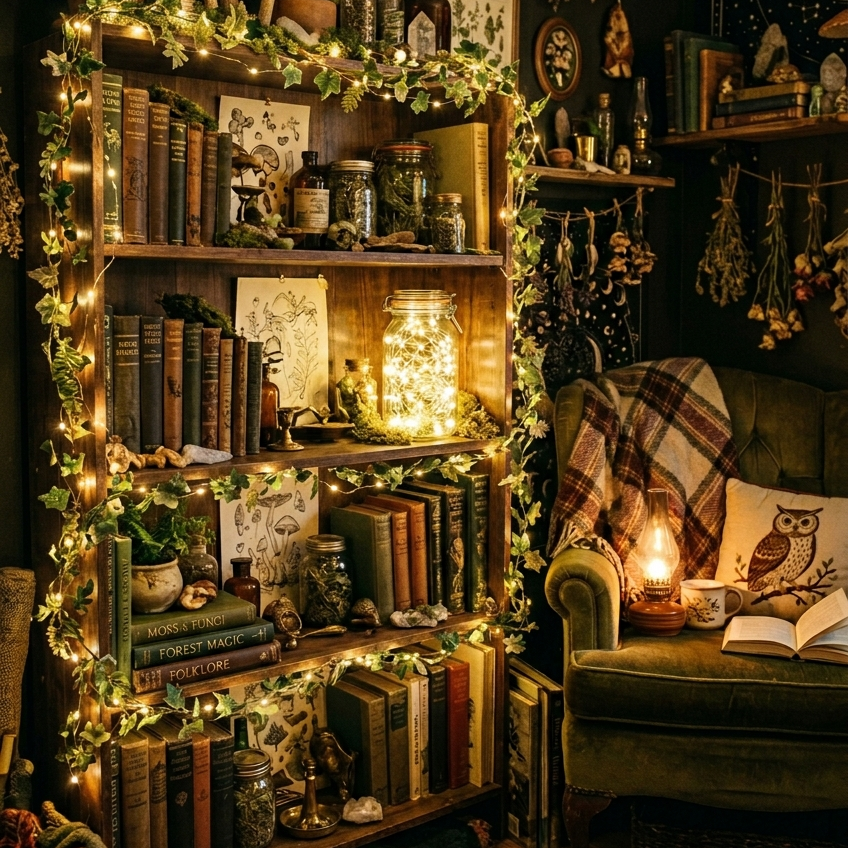
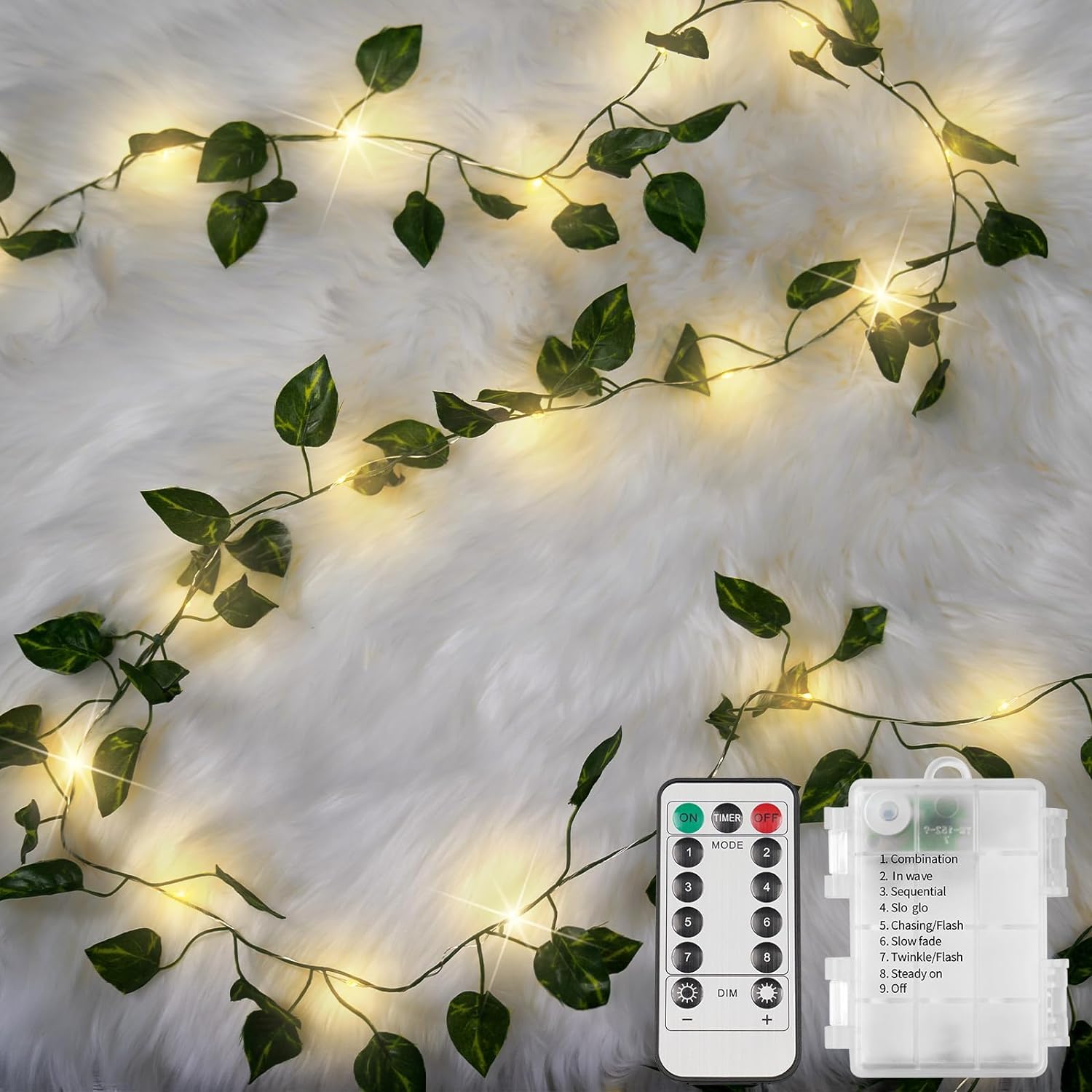
Fairy lights are the goblincore lighting language, and the placement is what separates the dorm-room version from the cottage-cottage version. Wrap a string of warm white lights — 2700K warm white, never cool blue — around the bookshelf so the shelves themselves seem to glow from within. Pile a second string inside a clear glass jar or a vintage mason jar on the side table for the lantern effect. Run a third string along the top of the curtain rod or across the ceiling beam if you have one. The lights aren’t supposed to provide working light; they’re supposed to add the small magic the room runs on after sundown. Battery-operated versions on copper wire are nearly invisible during the day and become the entire mood at night.
10. Hang Dried Herb Bundles, Eucalyptus, and Dried Wildflowers From Hooks and Beams
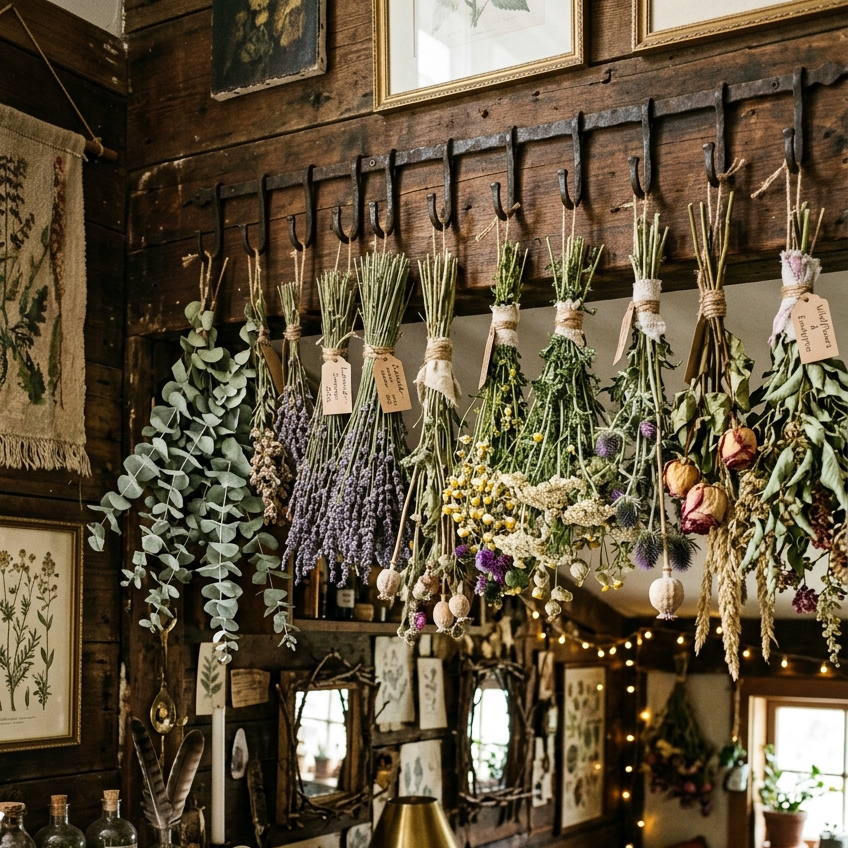
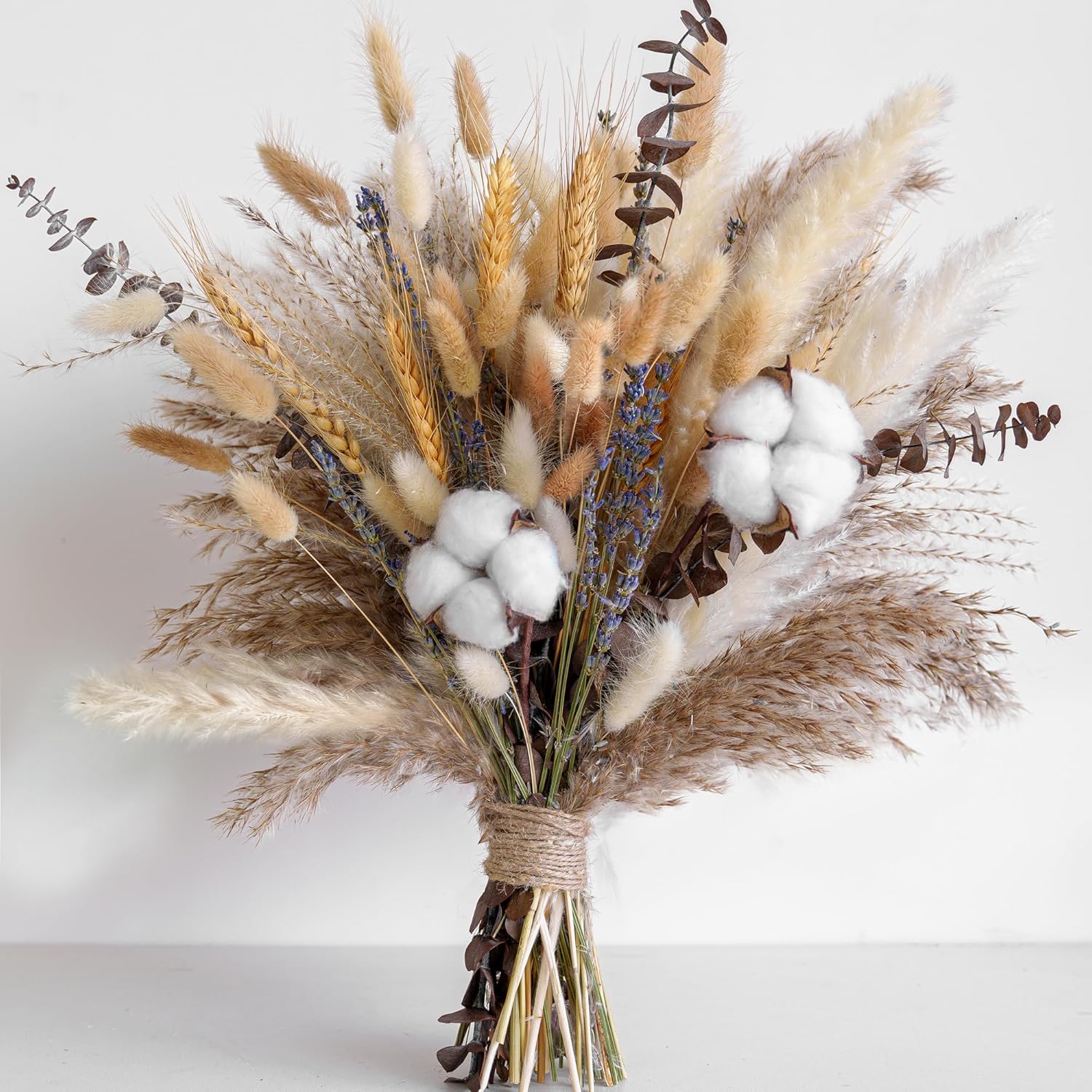
Dried botanicals are doing aromatherapy and aesthetic work at the same time. Hang a bundle of dried eucalyptus and lavender from a brass hook beside the armchair — every time you brush past it, the room smells faintly green. A bundle of dried wheat and wildflowers in a small ceramic pitcher on the windowsill. A larger dried wildflower bouquet in an old glass bottle on the floor beside the trunk. The dried herbs are doing the work that fresh flowers do in a more conventional aesthetic, except they last for months and they slowly age into something more themselves. Replenish them once a season. The bundles you’ve had longest become the most distinctly yours.
Copy this idea:

11. Lay a Vintage Wool Rug or Earth-Tone Kilim Under the Chair and Trunk
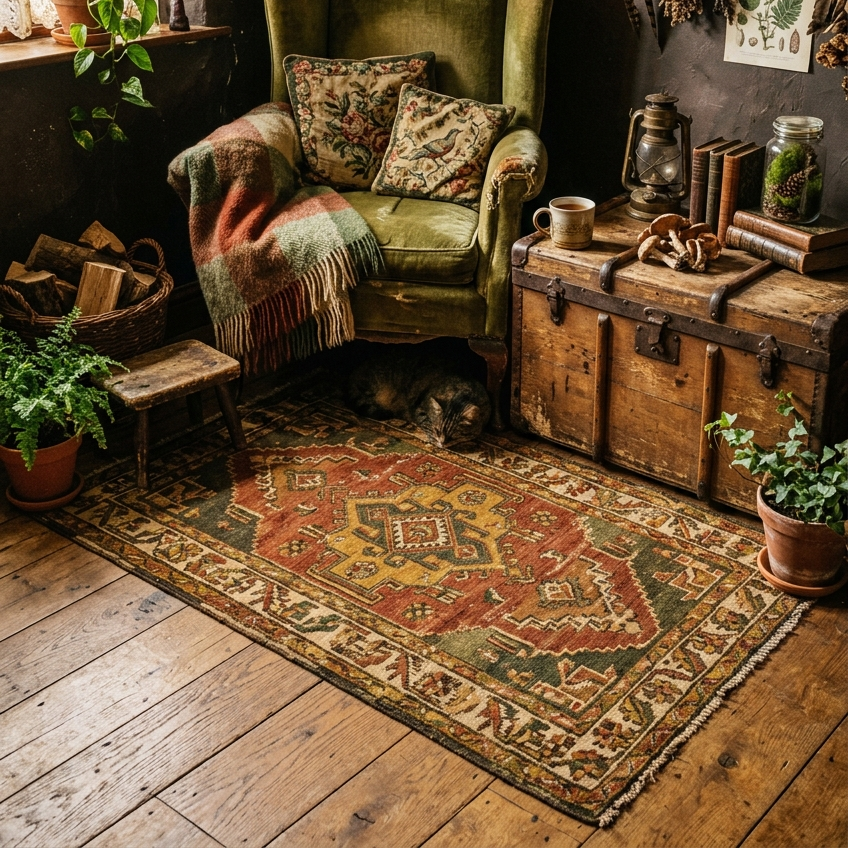
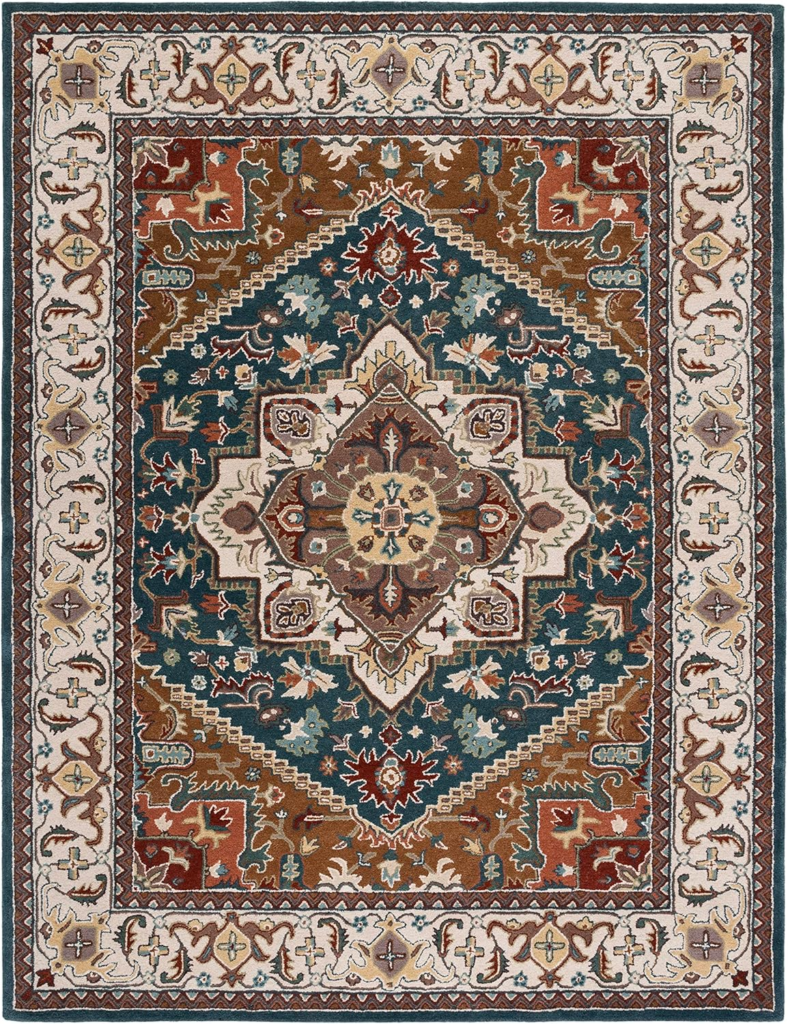
The rug pulls the room’s earth tones together and adds the warm textile underfoot that makes the corner feel like a corner instead of just a chair on the floor. A vintage-style wool kilim in rust, mustard, moss green, and dark brown — geometric patterns are typical, but small-scale floral kilims also work — sits beautifully under the armchair and the trunk. Goblincore tolerates worn-looking rugs better than almost any other aesthetic; a kilim that looks a little faded, slightly pilled, or genuinely vintage from an estate sale will feel more correct than a new reproduction. The fringed edges and the woven texture are part of the room’s overall language of warmth and accumulation. 12 Dark Cottagecore Bedroom Ideas
Copy this idea:
12. Stack Vintage Leather-Bound Books, Antique Maps, and a Small Leather Journal Within Arm’s Reach
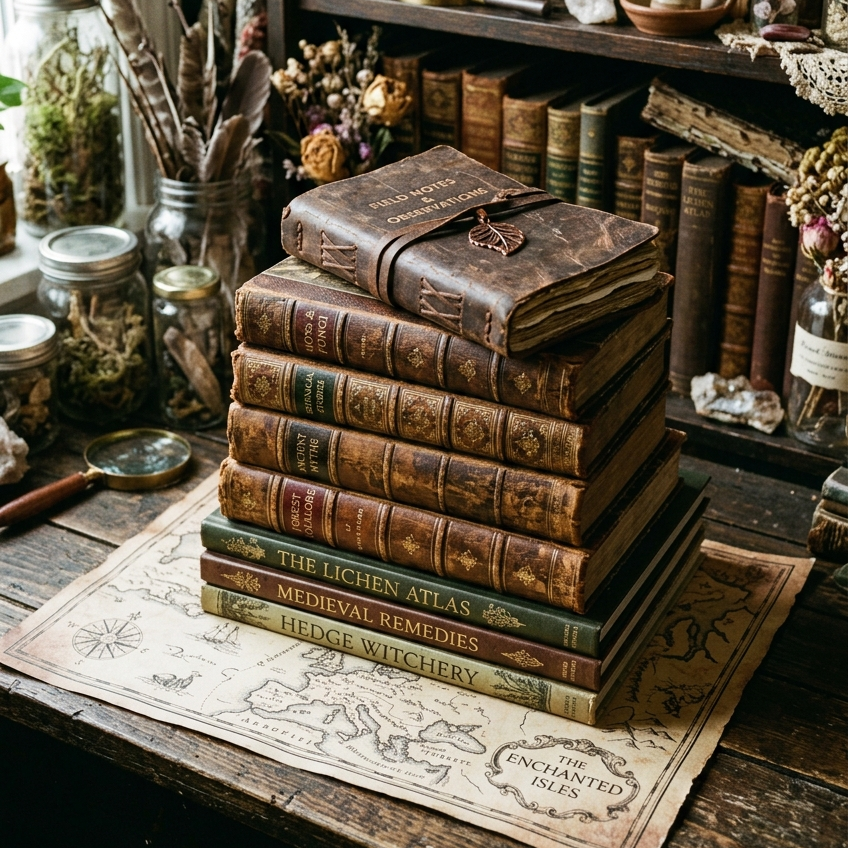
The reading life accumulates in goblincore rooms. A stack of vintage leather-bound books — green, burgundy, dark brown, the spines worn from real handling — at the corner of the side table beside the chair. An antique map print or an old herbalist’s scroll hung above the armchair on the bare wall. A small leather-bound journal with a twine tie, propped on top of the book stack for the reader-version-of-you who wants to start writing in it. The books don’t have to be old. New cloth-bound classics in green and burgundy from Amazon read identically to estate-sale finds, and reproductions of antique maps print beautifully in dark wood frames. The room you’re building is the room of someone who reads about plants, who makes notes in margins, who would rather walk in the woods than scroll. The books are the evidence.
Copy this idea:


Where To Start
The cheapest first moves are the ones that bring the forest in fastest. A moss terrarium, a set of three velvet mushrooms, a string of warm fairy lights, and a small bundle of dried eucalyptus together cost under $80 and shift the room into goblincore territory before any larger purchase needs to happen. Start here. The atmosphere arrives first; the furniture rounds it out over the months that follow.
The chair is worth waiting for. A moss green or rust velvet armchair is the single furniture decision that decides whether the room feels like goblincore or like “a room with mushroom decor in it.” Watch Facebook Marketplace and estate sales — used velvet armchairs in earth tones appear regularly for a fraction of new retail, and the patina of a used chair fits goblincore better than a new one ever will. If the right chair isn’t available yet, a wool throw and a soft cushion over an existing seat work as the interim solution while you wait.
The collection is the point — and the collection takes time. The apothecary bottles, the crystal tray, the mushroom figurines, the botanical specimens — none of these need to arrive in the same week, and the room is more itself when the objects have been accumulated rather than ordered. Pick up bottles whenever you find good ones. Add a single mushroom figurine when you see one you actually like. Let the curiosity tray grow over months. The goblincore room you’ll be most attached to in a year is the one you built slowly.
Paint the walls in earth tones when you can. Forest green, dark brown, mossy olive, or warm mustard — any of these as the wall color will deepen the entire palette and let the smaller objects do more of the visual work. If you can’t paint, a large faux moss panel or a single dark tapestry on the wall behind the chair creates a similar grounding effect.
Light it in layers, never overhead. The mushroom-shaped table lamp, a string of fairy lights, candles in vintage bottles, the warm glow of the apothecary shelf — three or four small light sources at low brightness do more for the room than any single fixture can. The overhead light belongs to the hallway, not to this room. 12 Dark and Cozy Reading Nook Ideas